



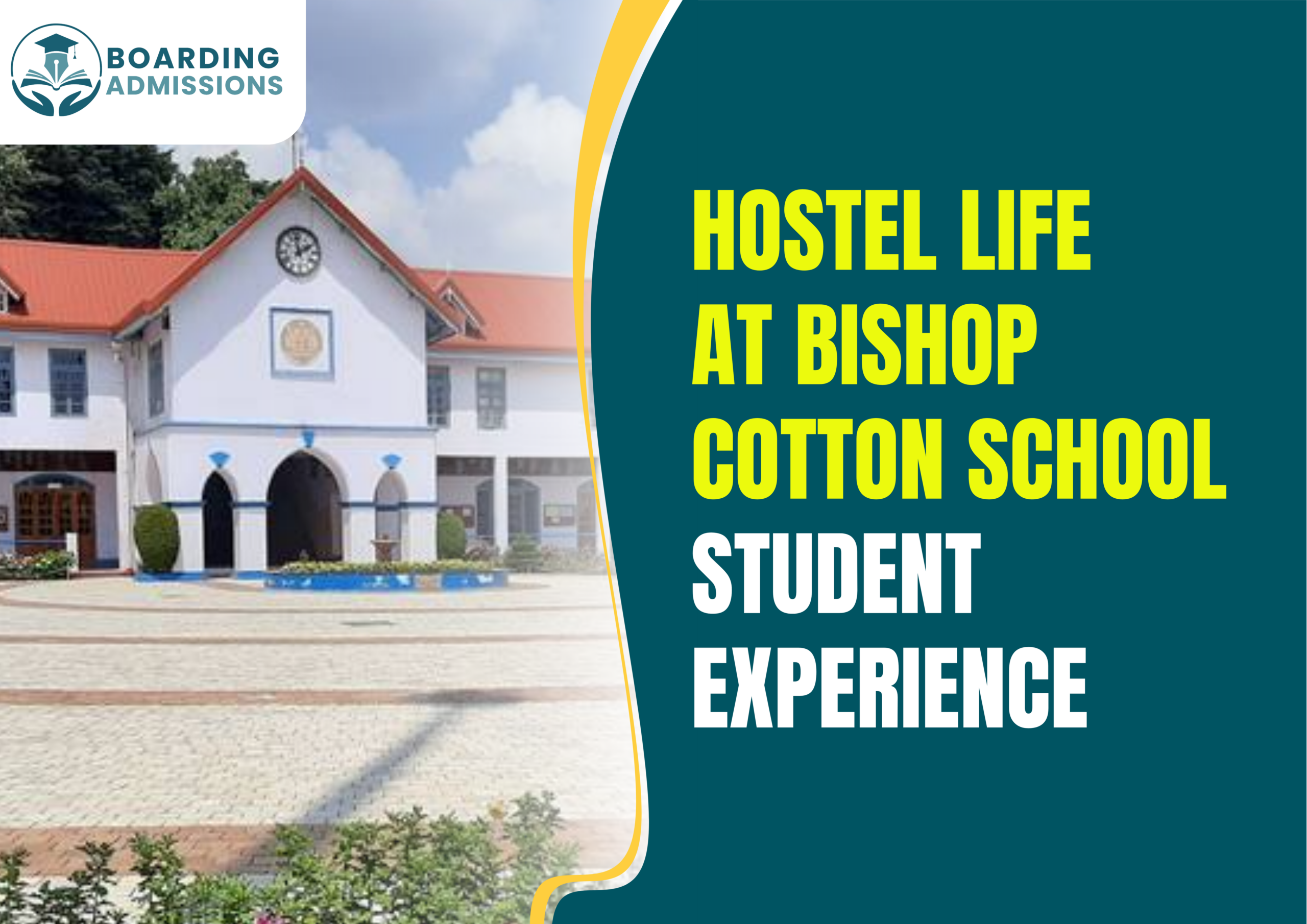
For many students, living in a hostel is more than just staying away from home. Hostel Life at Bishop Cotton School is a journey that shapes independence, responsibility, and lifelong friendships. At Bishop Cotton School, hostel life plays a major role in creating a balanced educational environment where academics, discipline, and personal development go hand in hand.
Students who enter a residential campus quickly realize that hostel living offers a unique blend of structured routines, community learning, and personal growth. The Student Hostel Life Experience in such institutions often becomes one of the most memorable parts of a student’s school years.
This article explores the daily life in the hostels of Bishop Cotton School, why it matters for student development, the different aspects of residential living, and the benefits and challenges that come with it.
Understanding Hostel Life in a Residential School
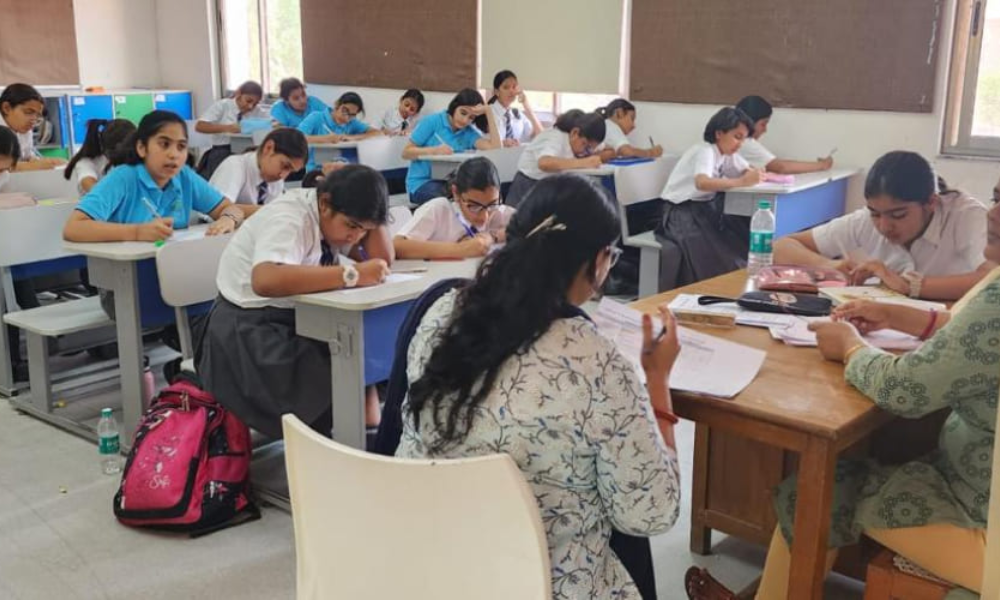
Hostel life in boarding schools is designed to create a supportive environment where students live, study, and grow together under supervision.
Unlike day schools, residential schools provide a complete ecosystem. Students attend classes, participate in sports, study during evening hours, and return to their dormitories for rest—all within the campus.
At Bishop Cotton School, the hostel environment encourages discipline while also allowing students to develop social skills and independence. Wardens, housemasters, and support staff ensure that students feel safe and guided throughout their stay.
Daily Routine of Students in the Hostel
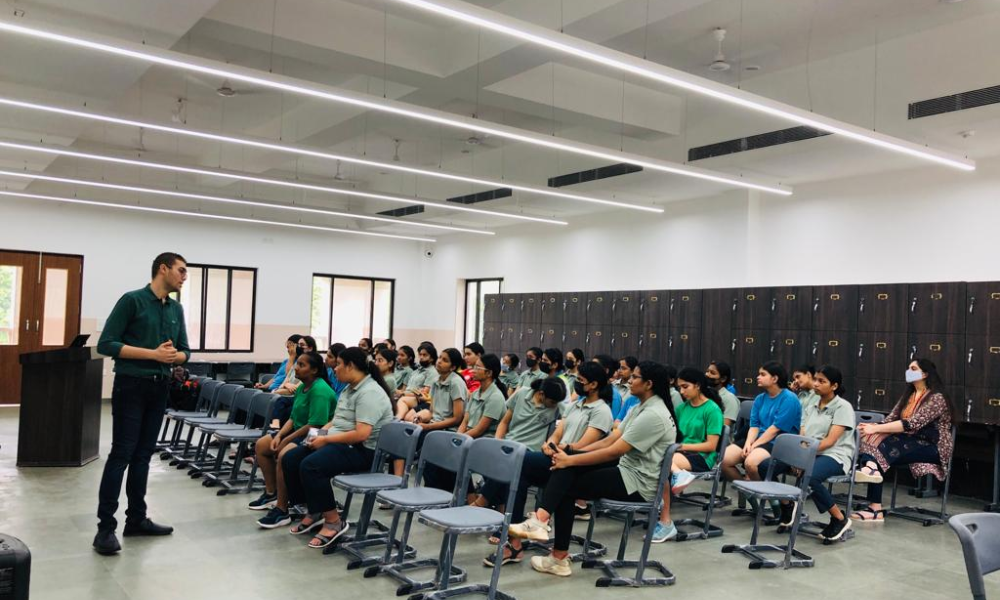
A structured routine is one of the defining features of hostel life. It helps students balance academics, extracurricular activities, and personal time.
Morning Schedule
The day usually begins early with wake-up calls, morning exercises, and preparation for school.
Typical morning activities include:
-
Wake-up and personal preparation
-
Morning assembly or prayer
-
Breakfast with fellow students
-
Attending academic classes
This organized start encourages punctuality and discipline.
Afternoon Activities
After classes, students participate in various activities that contribute to their overall development.
Common afternoon engagements include:
-
Sports and physical training
-
Club activities such as music, art, or debate
-
Interaction with friends during free time
These activities help students discover their interests and talents.
Evening Study Hours
Most hostels maintain dedicated study hours to ensure academic focus.
Students gather in supervised study halls where teachers or wardens assist them with homework and preparation for exams.
Night Routine
The day ends with dinner, relaxation time, and preparation for the next day before lights-out.
This consistent routine builds healthy habits that stay with students long after school.
Types of Hostel Living Arrangements
Boarding schools often organize hostel accommodations in ways that support both community living and personal comfort.
| Type of Arrangement | Description |
|---|---|
| Dormitory Style | Multiple students share a large room, encouraging teamwork and bonding |
| Shared Rooms | Two to four students share a room, balancing privacy and companionship |
| House System | Students are grouped into houses with mentors and house leaders |
| Junior & Senior Hostels | Younger students stay separately to ensure age-appropriate supervision |
At Bishop Cotton School, the house system is particularly significant. It builds healthy competition and a strong sense of belonging among students.
Importance of Hostel Life in Student Development

Hostel living contributes to a student’s growth in several meaningful ways.
Building Independence
Students learn to manage their daily routines, maintain personal belongings, and make responsible choices.
Developing Social Skills
Living with peers from diverse backgrounds encourages communication, cooperation, and empathy.
Encouraging Discipline
Structured schedules teach students the importance of time management and responsibility.
Learning Teamwork
Group activities and house competitions create opportunities for collaboration and leadership.
These experiences often prepare students for university life and future careers.
Benefits of Hostel Life for Students

The advantages of living in a school hostel extend beyond academics.
Strong Peer Support
Students form close friendships that often last a lifetime. Living together creates a sense of community and mutual support.
Balanced Lifestyle
Residential schools usually combine academics with sports, cultural events, and creative activities.
Personal Growth
Hostel living encourages students to step outside their comfort zones and become more confident individuals.
Exposure to Diversity
Students interact with peers from different regions, cultures, and perspectives.
These factors contribute to a well-rounded educational journey.
Challenges Students May Face in Hostel Life

While hostel living offers many opportunities, it also comes with certain challenges that students gradually learn to overcome.
Homesickness
Being away from family for the first time can be emotionally challenging for some students.
Adapting to Shared Spaces
Students must adjust to living with roommates and sharing facilities.
Following Strict Schedules
The structured routine may initially feel demanding for students who are used to more flexibility.
Academic Pressure
Balancing studies with activities requires discipline and good time management.
However, with proper guidance from teachers and hostel staff, most students adapt quickly and develop resilience.
Role of Teachers and Hostel Staff

A supportive residential environment depends greatly on the people who guide students.
Housemasters and Wardens
They supervise hostels, maintain discipline, and ensure students feel safe and comfortable.
Teachers
Many teachers are involved in evening study sessions, helping students with academic difficulties.
Mentorship and Guidance
Regular interactions between staff and students help address personal concerns and emotional challenges.
This mentorship plays a vital role in shaping a positive residential experience.
Hostel Life and the Boarding School Culture
Residential schools such as Bishop Cotton School have long traditions that shape their campus culture.
House competitions, sports events, cultural festivals, and leadership programs create an environment where students learn beyond the classroom.
Parents exploring educational options in boarding admission often consider hostel culture an important factor because it influences how students develop socially and emotionally.
Conclusion
Hostel life at Bishop Cotton School represents more than accommodation for students. It is a structured environment where learning extends beyond textbooks into daily interactions, responsibilities, and experiences.
From early morning routines to evening study sessions and weekend activities, the residential setting helps students develop independence, teamwork, and resilience. While challenges such as homesickness or adapting to shared living may arise, these experiences often strengthen a student’s character.
Ultimately, the time spent in the hostel becomes an important chapter in a student’s educational journey—one that shapes friendships, life skills, and personal growth for years to come.
FREQUENTLY ASKED QUESTIONS
Q1. What makes hostel life at Bishop Cotton School unique?
Ans: The school offers a structured residential environment that balances academics, sports, and extracurricular activities while promoting discipline and community living.
Q2. How do students adjust to living away from home?
Ans: Students gradually adapt through supportive hostel staff, regular routines, and friendships with peers.
Q3. What facilities are available in school hostels?
Ans: Most hostels provide dormitories or shared rooms, study areas, dining halls, sports facilities, and supervision by wardens.
Q4. Is hostel life beneficial for personal development?
Ans: Yes, it helps students develop independence, teamwork, communication skills, and time management.
Q5. Do parents stay connected with students in boarding schools?
Ans: Schools usually allow regular communication through phone calls, visits, and parent–teacher meetings to keep families involved.