
When parents think about boarding schools, one of the biggest expectations is personal growth. Beyond academics, these institutions are known for shaping confident, self-reliant individuals. This is where the idea that Boarding Schools Build Independence becomes especially important.
Living away from home, managing daily routines, and making decisions independently all contribute to a child’s development. While the transition may feel challenging at first, the long-term benefits often make it worthwhile.
This article explores how boarding schools nurture independence, the systems that support it, and the balance between growth and challenges.
Understanding Independence in a Boarding School Setting

Independence is not just about doing things alone. It includes decision-making, emotional strength, time management, and responsibility.
In a boarding environment, students gradually move from relying on parents to managing their own schedules and responsibilities. This shift happens naturally through structured routines and guided supervision.
When we say Boarding Schools Build Independence, it reflects a carefully designed environment where students are encouraged to take ownership of their actions while still receiving support when needed.
Why Independence Matters for Children
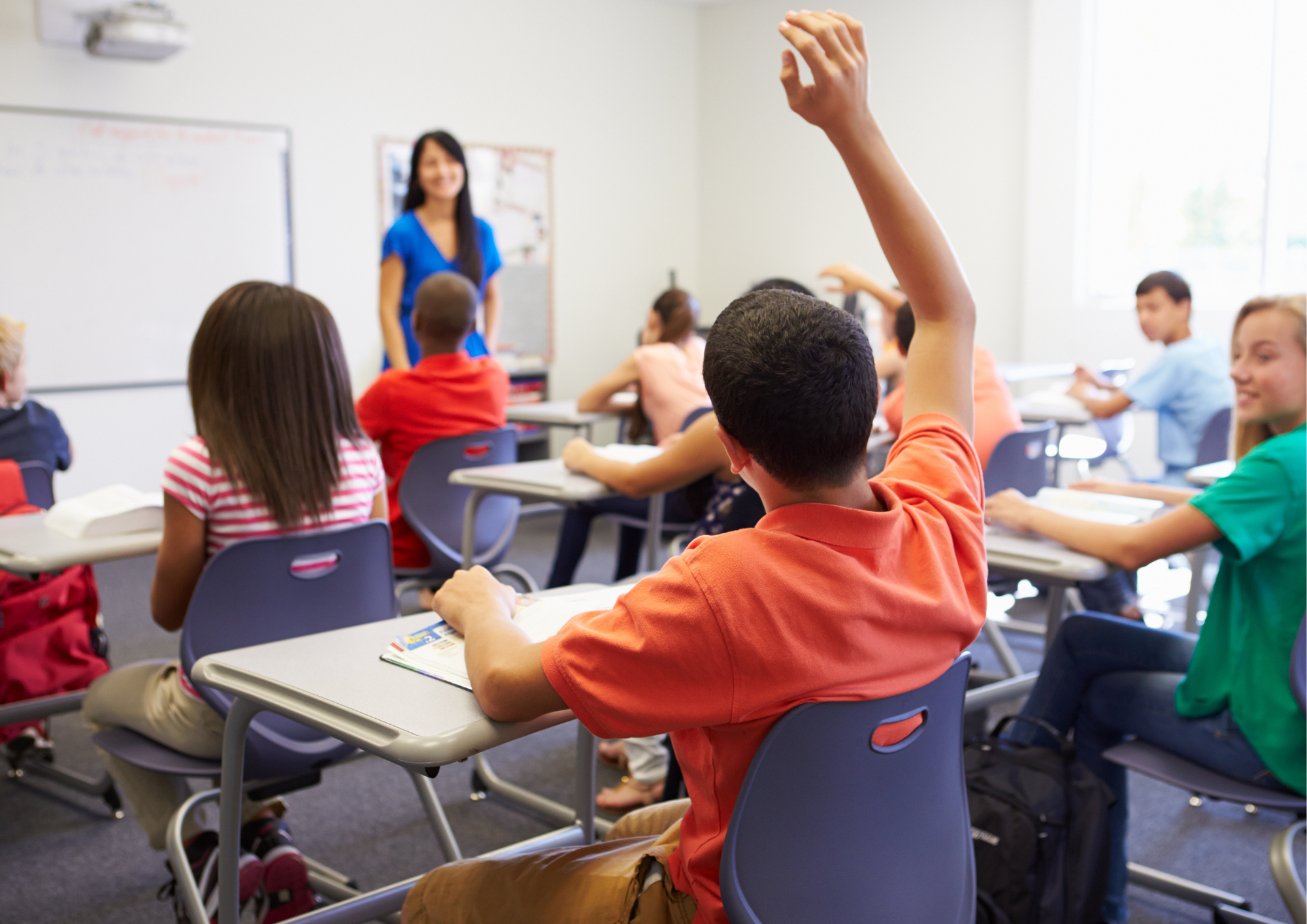
Independence plays a key role in shaping a child’s future. It prepares them not just for higher education, but also for life beyond school.
Key Reasons Independence Is Important
-
Builds confidence: Children learn to trust their decisions
-
Encourages responsibility: They take charge of their tasks
-
Improves problem-solving: They handle challenges without constant help
-
Develops emotional strength: They learn to manage feelings and situations
Boarding schools create daily opportunities for students to practice these skills.
Daily Life That Encourages Self-Reliance

One of the strongest ways Boarding Schools Build Independence is through everyday routines. These are not forced lessons but natural habits developed over time.
Structured Daily Schedule
Students follow a timetable that includes classes, study hours, meals, and activities. Managing this routine helps them understand discipline and time management.
Personal Responsibility
From organizing their belongings to completing assignments, students are responsible for their own tasks.
Decision-Making Opportunities
Students often choose extracurricular activities, manage their study time, and solve small day-to-day problems independently.
These experiences slowly shape a mindset of self-reliance.
Types of Boarding School Environments
Different types of boarding schools may approach independence in slightly different ways, but the core objective remains the same.
| Type of School | How Independence Is Encouraged |
|---|---|
| Traditional Boarding Schools | Focus on discipline and routine-based independence |
| International Boarding Schools | Promote global exposure and self-expression |
| Co-educational Schools | Encourage social interaction and balanced growth |
| Single-Gender Schools | Focus on confidence-building in a focused environment |
| Activity-Based Schools | Develop independence through sports and creative fields |
Regardless of the type, the environment supports personal growth.
Role of Mentors and House Systems
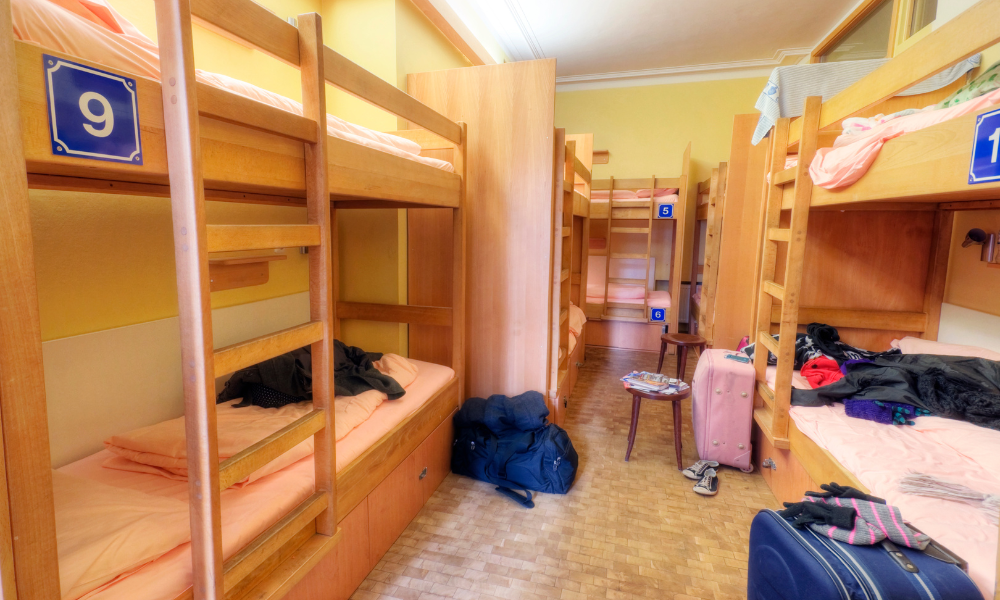
While independence is encouraged, students are never left without guidance.
House Parents and Mentors
They act as caregivers and guide students through daily challenges. Their presence ensures that independence develops in a safe and supportive way.
Peer Learning
Students learn from each other by sharing experiences, solving problems together, and building friendships.
This balance between freedom and support is key to how Boarding Schools Build Independence effectively.
Key Theories Behind Independence Development
The concept of independence in boarding schools is supported by well-known educational and psychological ideas.
Experiential Learning
Students learn best by doing. Daily responsibilities act as real-life lessons.
Social Learning
Children observe and learn from peers, which helps them adapt quickly to independent living.
Self-Determination Theory
This theory suggests that autonomy, competence, and connection are essential for growth. Boarding schools naturally provide all three.
These frameworks explain why the boarding environment is so effective in developing independence.
Benefits of Independence in Boarding Schools

The outcomes of independence go far beyond school life.
Personal Growth
Students become more confident and capable of handling real-world situations.
Academic Improvement
Managing time effectively often leads to better focus and performance.
Strong Life Skills
Skills like decision-making, communication, and adaptability stay with students for life.
Better Preparation for Future
Students are more prepared for college, careers, and living on their own.
These benefits highlight why many parents value this learning environment.
Challenges Students May Face

While the journey is rewarding, it is not always easy.
Homesickness
Being away from family can be emotionally challenging in the beginning.
Adjustment Period
Adapting to a new routine and environment takes time.
Increased Responsibility
Some students may initially struggle with managing their tasks.
Social Adaptation
Building new friendships and fitting into a new environment can take effort.
These challenges are part of the process and often contribute to growth in the long run.
How Schools Support Students During Transition
To ensure students adjust well, schools provide structured support systems.
Orientation Programs
New students are introduced to routines, rules, and expectations.
Counseling Support
Emotional and mental well-being is addressed through professional guidance.
Gradual Responsibility
Students are not given full responsibility immediately. It increases step by step.
Regular Communication
Schools often maintain communication with parents to ensure a smooth transition.
This approach ensures that independence develops without overwhelming the child.
Tips for Parents Considering Boarding Schools
Parents play an important role in preparing their children for this transition.
Have open conversations about expectations and experiences
Encourage small responsibilities at home before admission
Choose the right school environment based on the child’s personality
Stay supportive during the initial phase
Trust the process and allow the child to grow
Families exploring options in boarding admission should focus not only on academics but also on emotional readiness.
Conclusion
The journey of independence is one of the most valuable aspects of boarding education. Through structured routines, real-life responsibilities, and guided support, students gradually learn to manage themselves and their environment.
The idea that Boarding Schools Build Independence is not just a concept but a practical outcome seen in students who grow into confident and capable individuals. While the process includes challenges, it also offers lasting benefits that shape a child’s future.
For parents and students alike, understanding this balance makes the decision clearer and more meaningful.
FREQUENTLY ASKED QUESTIONS
Q1. How do boarding schools help children become independent?
Ans: They encourage responsibility, decision-making, and self-management through daily routines and structured living.
Q2. At what age is it suitable for a child to join a boarding school?
Ans: Most students join during middle school years, though readiness depends on emotional maturity.
Q3. Do boarding schools provide support for homesick students?
Ans: Yes, schools offer counseling, mentorship, and structured support systems to help students adjust.
Q4. Can independence in boarding schools improve academic performance?
Ans: Yes, better time management and focus often lead to improved academic outcomes.
Q5. Are boarding schools suitable for all children?
Ans: They are ideal for students who are open to new experiences and can adapt to structured environments.