


Choosing the right education environment for a child is one of the most important decisions parents make. Among the many options available, Boarding School Right for Your Child often stands out because of its unique learning structure and residential lifestyle. While some families believe it builds discipline and independence, others worry about distance from home.
So, is boarding school the right choice for your child? The answer depends on several factors, including the child’s personality, academic goals, and family expectations.
This guide explores how they work, their advantages, possible challenges, and how parents can decide if this path fits their child’s future.
Understanding Boarding School Education

A boarding school is an educational institution where students live on campus during the academic term. Instead of returning home after classes, students stay in dormitories, follow structured routines, and participate in extracurricular activities within the school environment.
This type of schooling combines academics, residential life, and personal development in one place.
Key Features
-
Residential Learning Environment
Students live in supervised hostels or dormitories managed by teachers and house parents. -
Structured Daily Routine
The day typically includes classes, study hours, sports, and activities. -
Holistic Development Focus
Schools emphasize not only academics but also leadership, teamwork, and discipline. -
Strong Community Culture
Students form close bonds with peers and mentors because they spend most of their time together.
Because of this immersive setting, boarding schools often create a learning environment that extends beyond classrooms.
Types of Boarding Schools
They are not all the same. Different institutions follow different academic systems and philosophies. Understanding these categories can help parents choose a suitable option.
| Type of Boarding School | Description |
|---|---|
| Full Boarding School | Students stay on campus throughout the term and go home only during holidays. |
| Weekly Boarding School | Students live at school during the week and return home on weekends. |
| International Boarding School | Schools offering global curricula like IB or Cambridge with students from different countries. |
| Military Boarding School | Institutions that combine academic education with military-style discipline and training. |
| Specialized Boarding School | Schools focusing on specific areas such as sports, arts, or performing arts. |
Each type offers a different environment, so parents should consider both academic goals and the child’s interests before deciding.
Benefits of Boarding School for Students

Boarding school education is often praised for shaping well-rounded individuals. The environment encourages responsibility, independence, and self-discipline.
1. Strong Academic Focus
Boarding schools usually provide structured study hours and smaller class sizes. Teachers are available beyond classroom hours, which allows students to seek additional help and guidance.
2. Development of Independence
Living away from home encourages children to manage their time, responsibilities, and personal routines. Over time, students learn practical life skills such as organization, decision-making, and accountability.
3. Exposure to Diverse Cultures
Many boarding schools attract students from different cities and countries. This exposure helps children develop cultural awareness, empathy, and communication skills.
4. Access to Extracurricular Opportunities
This typically offer a wide range of activities such as:
-
Sports teams
-
Music and arts programs
-
Leadership clubs
-
Debate and public speaking
These experiences contribute to confidence building and personality development.
5. Strong Peer Network
Students spend most of their time with classmates and teachers. This shared experience often creates lifelong friendships and strong alumni networks.
Challenges Parents Should Consider

Despite its advantages, this may not suit every child. Families should carefully consider possible challenges before making the decision.
Emotional Adjustment
Younger children may struggle with homesickness, especially during the first few months. Being away from family can feel overwhelming for some students.
Cost of Education
Boarding schools are generally more expensive than day schools because they include accommodation, meals, and additional facilities.
Reduced Family Time
Living on campus means children spend less daily time with their families. Although holidays and visits help maintain connections, the routine interaction changes.
Pressure of Structured Living
Some students may find the structured environment demanding. Strict schedules and rules require adaptability and discipline.
Recognizing these challenges helps parents prepare their children for the transition.
Signs Boarding School Might Be a Good Fit
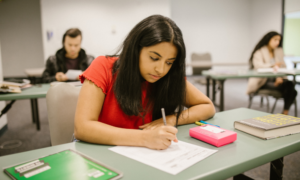
Certain qualities and circumstances make boarding school more suitable for some children than others.
Your Child Shows Independence
If a child enjoys responsibility and adapts easily to new environments, they may thrive in residential schooling.
Strong Interest in Activities
Children passionate about sports, arts, or leadership programs may benefit from the extensive facilities and opportunities available in boarding schools.
Academic Motivation
Students who enjoy learning and can manage structured schedules often perform well in this setting.
Family Mobility or Distance
Some families choose boarding schools because of frequent relocations or long travel distances to quality schools.
When these factors align, boarding education can become a positive and enriching experience.
Factors to Evaluate Before Making a Decision

Parents should conduct careful research before selecting a boarding school.
School Reputation and Academic Results
Look for institutions with consistent academic performance and strong teaching faculty.
Safety and Pastoral Care
Since students live on campus, supervision, health services, and emotional support systems are essential.
Facilities and Infrastructure
Modern classrooms, libraries, sports grounds, and activity centers contribute to a balanced learning environment.
Admission Process
Parents should also understand the procedures involved in boarding admission guidance so they can prepare documents, entrance assessments, and interviews in advance.
Communication with Parents
Good boarding schools maintain regular communication through reports, calls, and meetings to keep families informed about student progress.
Preparing Your Child for Boarding School Life

If parents decide that boarding school is the right choice, preparation becomes important.
Encourage Emotional Readiness
Talk openly about the experience and address any concerns your child might have.
Teach Basic Life Skills
Children should learn simple responsibilities such as organizing belongings, managing time, and maintaining personal hygiene.
Stay Connected
Regular calls, letters, or messages help children feel supported while they adjust to the new environment.
Focus on Positive Opportunities
Explain how the experience will help them grow, explore interests, and build lifelong friendships.
With proper preparation, the transition becomes much smoother for both parents and children.
Boarding School Right for Your Child: Conclusion
This can be a powerful educational experience that shapes independence, discipline, and global awareness. It offers a structured environment where students learn not only academic subjects but also valuable life skills.
However, it is not a one-size-fits-all solution. The decision should consider the child’s personality, emotional readiness, academic goals, and family circumstances.
When parents carefully evaluate both the benefits and challenges, they can make an informed choice that supports their child’s growth and happiness.
Ultimately, the right school environment is one where a child feels safe, motivated, and inspired to reach their full potential.
Frequently Asked Questions
Q1. At what age should a child go to boarding school?
Ans: Most boarding schools accept students from ages 8–13 onward, but the ideal age depends on the child’s maturity and readiness to live away from home.
Q2. Do boarding schools provide emotional support for students?
Ans: Yes, many schools have counselors, house parents, and mentoring systems to help students adjust emotionally and socially.
Q3. Are boarding schools better than day schools?
Ans: Not necessarily. Both have advantages. Boarding schools offer independence and structured learning, while day schools allow children to stay closely connected with family.
Q4. How do parents stay connected with children in boarding school?
Ans: Schools usually allow regular calls, video chats, parent visits, and holiday breaks to maintain strong family relationships.
Q5. What factors should parents check before choosing a boarding school?
Ans: Parents should review academic performance, safety measures, facilities, extracurricular opportunities, and the school’s overall student care system.