Choosing the right boarding school is one of the most important educational decisions a parent makes. In 2026, boarding school admission in India has become more competitive, structured, and nuanced than ever before. With changing admission criteria, evolving entrance exams, and increased global interest from international parents, understanding the complete admission journey is essential.
This guide is designed to help Indian and international parents clearly understand how to get admission in boarding school, what the boarding school admission process looks like today, and how informed boarding school admission guidance can make a meaningful difference.
Based on years of experience guiding families across India and overseas, this article serves as a single reference point for parents planning boarding school admissions for the 2026–27 academic year.
What Is Boarding School Admission in India?

Boarding school admission in India refers to the structured process through which students are evaluated and selected for residential schools where education, accommodation, and personal development are integrated into one ecosystem.
Unlike day schools, boarding schools assess students beyond academics. Admissions typically evaluate:
-
Academic readiness
-
Emotional independence
-
Discipline and adaptability
-
Parent–school alignment
Today, boarding school admission in India attracts not only domestic families but also NRI, OCI, and international parents seeking strong academics, value-based education, and global exposure at comparatively accessible fee structures.
Why Parents Are Choosing Boarding Schools in India (2026 Trends)

In 2026, boarding schools in India are no longer viewed as a last resort—they are a deliberate, aspirational choice.
Academic Rigor
Top boarding schools offer structured academic systems with small class sizes, experienced faculty, and consistent academic monitoring. Students benefit from focused learning environments with minimal distractions.
Global Exposure
Many Indian boarding schools now follow international curricula, global exchange programs, and multicultural environments, making them attractive to both Indian and overseas parents.
Structured Discipline
Boarding schools emphasize routine, responsibility, and time management. Daily schedules help students develop independence and self-discipline early in life.
Holistic Development
Sports, arts, leadership programs, community service, and life skills are embedded into daily boarding life—something day schools often struggle to deliver consistently.
How to Get Admission in Boarding School in India

Understanding how to get admission in boarding school begins with knowing that the process is multi-layered and time-sensitive.
Step 1: Age Eligibility
Each school has strict age criteria based on class entry. Applying for the wrong age bracket is one of the most common rejection reasons.
Step 2: Entrance Exams
Most reputed boarding schools conduct written assessments testing English, Mathematics, and reasoning.
Step 3: Interviews
Personal interviews assess communication skills, confidence, emotional maturity, and parental expectations.
Step 4: Documentation
Academic records, medical certificates, recommendation letters, and identity documents are required.
Step 5: Final Selection
Admission offers are based on cumulative performance across all stages.
💡 A visual month-wise admission timeline can significantly help parents track deadlines and preparation milestones.
Boarding School Admission Process – Step-by-Step
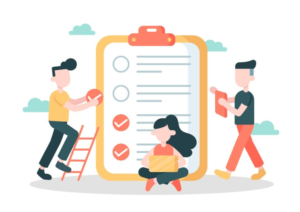
The boarding school admission process follows a structured pathway designed to evaluate both the child and the family.
1. Shortlisting the Right School
Parents must assess:
-
Child’s personality
-
Academic strengths
-
Boarding readiness
-
School ethos
2. Registration & Application
Applications usually open between September and November and close early due to limited seats.
3. Entrance Exam Preparation
Entrance exams require strategic preparation aligned with each school’s pattern—not generic coaching.
4. Student & Parent Interview
Schools evaluate:
-
Child’s adaptability
-
Parental understanding of boarding life
-
Long-term expectations
5. Medical & Documentation
Medical fitness is mandatory to ensure the child can adapt to residential life.
6. Final Admission Confirmation
Selected students receive offer letters followed by fee submission and onboarding.
Age Criteria & Eligibility for Boarding School Admission

Eligibility varies based on:
School Type
-
Boys boarding schools
-
Girls boarding schools
-
Co-educational boarding schools
Curriculum
-
Indian boards (CBSE, ICSE)
-
International boards (IB, IGCSE, Cambridge)
Parents should always check school-specific criteria for institutions such as:
Welham
Mayo College
The Doon School
Bishop Cotton School
Scindia Schools
Applying without aligning eligibility often results in rejection despite strong academics.
Entrance Exams for Boarding Schools in India
School-Specific Exams
Most elite schools conduct their own entrance tests.
Common Subjects
-
English (reading, writing, grammar)
-
Mathematics
-
Logical reasoning
-
General awareness (in some schools)
Difficulty Level
Exams test conceptual clarity, not rote learning. Time management is critical.
Role of Coaching
Targeted preparation improves performance significantly, especially for:
-
Welham entrance exams
-
Mayo entrance exams
-
Scindia school assessments
Boarding School Admission Guidance – Why Expert Support Matters

Professional boarding school admission guidance helps families avoid costly mistakes.
Common Shortlisting Errors
-
Choosing reputation over child suitability
-
Ignoring school culture and expectations
Interview Rejection Reasons
-
Lack of confidence
-
Poor articulation
-
Unprepared parents
Exam Strategy Gaps
Generic preparation fails to match school-specific patterns.
Importance of Parent Counselling
Schools evaluate parents as partners. Alignment matters.
Professional boarding school admission guidance improves acceptance chances significantly.
Common Mistakes Parents Make During Boarding Admission

-
Applying too late
-
Ignoring entrance exam preparation
-
Choosing a school without assessing child readiness
-
Underestimating interview importance
-
Overlooking emotional preparedness
Avoiding these mistakes alone can drastically improve outcomes.
Boarding School Fees in India

Day Boarding vs Full Boarding
Full boarding includes accommodation, meals, and pastoral care.
Indian vs International Schools
Fees vary based on infrastructure, curriculum, and facilities.
What Fees Typically Include
-
Tuition
-
Boarding & lodging
-
Meals
-
Sports & activities
-
Medical care
Parents should always review detailed fee structure articles before applying.
Admission Timeline for Boarding Schools in India (2026–27)
July–September
-
Research schools
-
Understand eligibility
October–December
-
Submit applications
-
Begin exam preparation
January–February
-
Entrance exams
March–April
-
Interviews and assessments
April–May
-
Final admission confirmations
Early planning is a decisive advantage.
Boarding School Admission for International Parents
India is increasingly popular among:
NRI Parents
Seeking Indian value systems with global education.
OCI Students
Eligible for most boarding schools with proper documentation.
Documentation
-
Passport
-
Visa/OCI card
-
Academic transcripts
Online Interviews
Many schools now conduct virtual assessments for overseas families.
How Boarding Admissions Supports Parents End-to-End

Boarding Admissions works as an advisory partner, not just an information source.
Support includes:
-
Personalized school shortlisting
-
Entrance exam coaching
-
Student & parent interview preparation
-
Admission counselling
-
International coordination for overseas families
The focus remains on fit, preparedness, and long-term success, not just admission.
Final Checklist Before Applying to a Boarding School
✔ Confirm age eligibility
✔ Shortlist schools wisely
✔ Track application deadlines
✔ Prepare for entrance exams
✔ Practice interviews
✔ Arrange documentation
✔ Assess child’s emotional readiness
Final Thought
Boarding school admission in India is no longer a single-step decision—it is a strategic journey. Parents who plan early, understand the process, and seek the right guidance create smoother transitions and stronger outcomes for their children.
FAQs: Boarding School Admission in India (2026)
Q1. What is the process for boarding school admission in India?
Ans: The boarding school admission process in India typically includes school shortlisting, application submission, entrance exams, student and parent interviews, medical clearance, and final admission confirmation.
Q2. How to get admission in boarding school in India in 2026?
Ans: To get admission in a boarding school in India in 2026, parents should start early, meet age eligibility criteria, prepare for school-specific entrance exams, and ensure both the child and parents are interview-ready.
Q3. When should parents start preparing for boarding school admission?
Ans: Parents should begin preparing 12–18 months in advance, as most boarding schools open applications between October and December, followed by exams and interviews from January to March.
Q4. Are entrance exams compulsory for boarding school admissions?
Ans: Yes, most reputed boarding schools in India require students to clear an entrance exam that tests English, Mathematics, and reasoning skills as part of the admission process.
Q5. Why do students get rejected in boarding school admissions?
Ans: Students are commonly rejected due to late applications, poor interview performance, lack of emotional readiness, or a mismatch between the child’s profile and the school’s expectations.