



It often comes as a surprise when academically strong students fail to secure admission to a boarding school. Many parents assume that high grades alone guarantee success, but the reality is far more nuanced. Every year, capable applicants face rejection, leaving families confused and disappointed.
The truth is that students get rejected not because they lack ability, but because boarding schools follow a broader and more balanced selection approach. They look beyond report cards and evaluate whether a student truly fits their environment.
This article explains why students get rejected despite strong academic performance, what schools actually look for, and how families can better prepare for the admission process.
Understanding the Reality of Boarding School Admissions

Boarding schools are not just academic institutions. They are living and learning communities where students spend most of their time. Because of this, admissions are designed to select students who can thrive both inside and outside the classroom.
This is one of the key reasons why students get rejected even when they perform well in exams. Schools aim to build a balanced student group, not just a group of toppers.
Why Academic Excellence Alone Isn’t Enough
Academic success is important, but it is only one part of the evaluation. Schools consider:
-
Emotional maturity
-
Social adaptability
-
Interest in extracurricular activities
-
Ability to live independently
When these aspects are missing, students get rejected despite having impressive scores.
Key Reasons Why Students Get Rejected

To understand the process better, it helps to look at the most common reasons behind rejection.
1. Lack of Personality Fit
Boarding schools seek students who align with their values and culture. Even strong candidates may not match what the school is looking for in a particular year.
This mismatch is a major reason students get rejected during interviews or final selection.
2. Poor Interview Performance
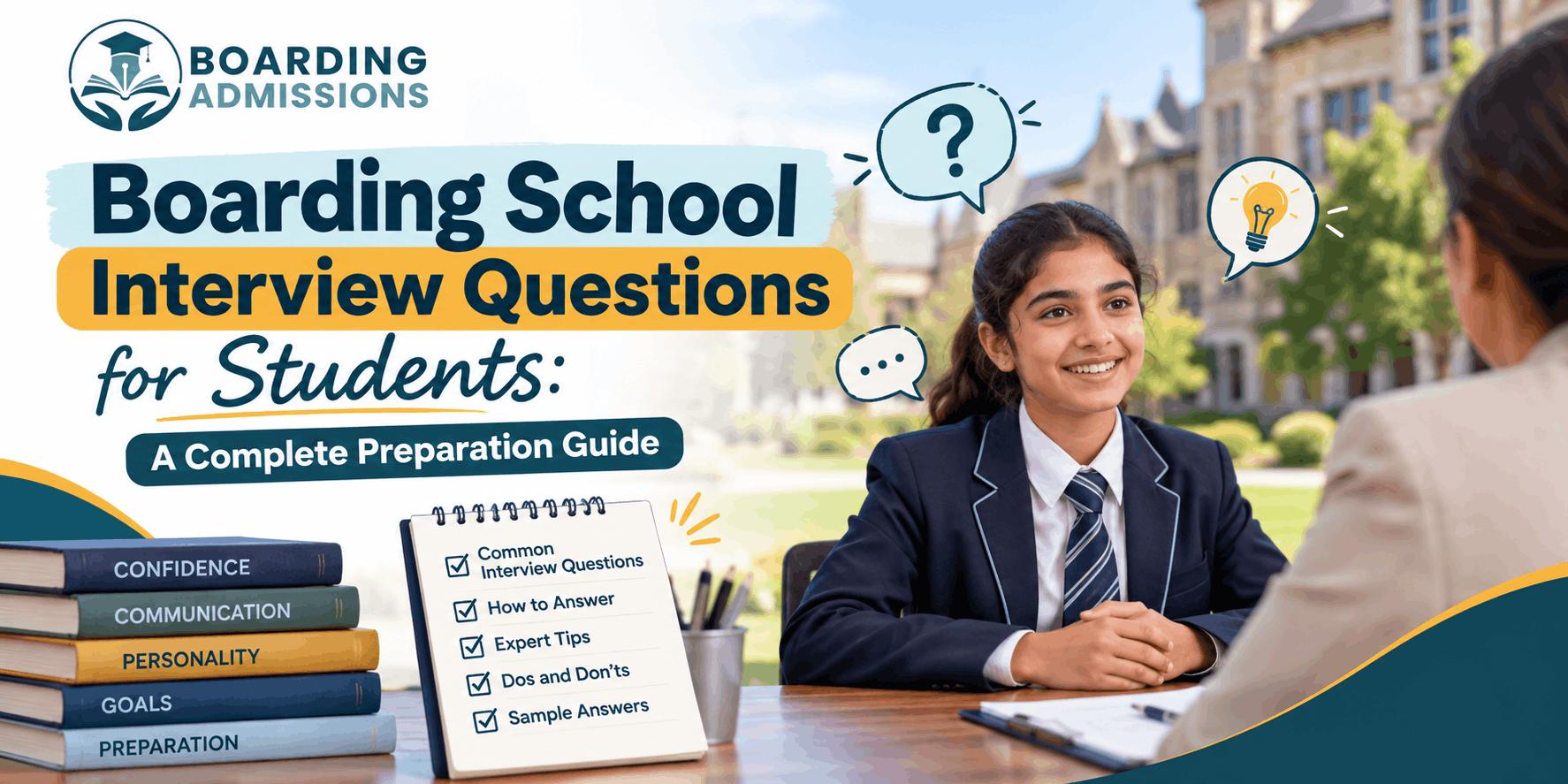
Many students prepare for written exams but overlook interviews. Schools use interviews to understand communication skills, confidence, and attitude.
If a student struggles to express thoughts clearly, students get rejected even with good academic records.
3. Limited Extracurricular Exposure
Boarding schools focus heavily on all-round development. Students who lack involvement in sports, arts, or activities may appear one-dimensional.
As a result, students get rejected because they do not demonstrate a balanced profile.
4. Emotional Readiness Issues
Living away from home requires independence and resilience. Schools assess whether a student can adjust to hostel life.
If there are doubts about adaptability, students get rejected to avoid future difficulties.
5. High Competition and Limited Seats
Top boarding schools receive a large number of applications each year. Even qualified candidates may not secure a seat due to limited availability.
In such cases, students get rejected simply because the competition is intense.
Types of Rejection Scenarios in Boarding Schools
Not all rejections happen for the same reason. Understanding different scenarios can provide clarity.
| Type of Rejection | Explanation |
|---|---|
| Academic-Based Rejection | Performance in entrance tests does not meet the cutoff |
| Interview-Based Rejection | Weak communication or lack of confidence |
| Profile-Based Rejection | Limited extracurricular or leadership exposure |
| Fit-Based Rejection | Student does not align with school values |
| Capacity-Based Rejection | Seats are already filled |
Each of these shows that students get rejected for multiple reasons, not just academics.
What Schools Actually Look For

To understand why students get rejected, it is important to know what schools prioritize.
Balanced Development
Schools prefer students who show a mix of academic ability and extracurricular interest.
Positive Attitude
A student’s mindset, curiosity, and willingness to learn often matter more than marks alone.
Communication Skills
Clear and confident communication reflects readiness for a residential environment.
Independence
Students must show that they can manage daily routines without constant supervision.
When these qualities are missing, students get rejected even if their grades are excellent.
The Hidden Benefits of a Selective Process

While rejection can feel discouraging, the selection process serves an important purpose.
Better Student-School Match
A careful selection ensures that students who are admitted are more likely to adjust well.
Strong Learning Environment
Balanced classrooms create better collaboration, participation, and growth.
Focus on Holistic Growth
The process encourages students to develop beyond academics.
In this way, even when students get rejected, the system aims to protect their long-term well-being.
Challenges Faced by Students and Parents

The admission process can be demanding for both students and families.
Emotional Stress
Rejection can impact confidence, especially when expectations are high.
Misunderstanding of Criteria
Many families focus only on marks and overlook other important factors.
Pressure to Perform
Students often feel pressure to excel in every stage, from exams to interviews.
These challenges explain why students get rejected without fully understanding the reasons.
How to Reduce the Chances of Rejection

While no method guarantees success, certain steps can improve the chances of selection.
Focus on Overall Development
Encourage participation in sports, arts, and group activities.
Prepare for Interviews
Practice speaking clearly, answering questions thoughtfully, and staying confident.
Build Emotional Readiness
Help students become comfortable with independence and new environments.
Research Schools Carefully
Choose schools that match the student’s personality and strengths.
Families exploring opportunities in boarding admission should approach the process with realistic expectations and proper preparation.
A Balanced Perspective on Rejection
It is important to understand that rejection is not a reflection of a student’s worth. Often, it simply means the fit was not right at that time.
In many cases, students get rejected from one school but succeed in another where they thrive and grow better.
This perspective helps reduce stress and keeps the focus on long-term development rather than short-term outcomes.
Conclusion
The idea that only weak students face rejection is a myth. In reality, students get rejected for a variety of reasons, including personality fit, communication skills, emotional readiness, and intense competition.
Boarding schools aim to create a balanced and supportive environment, which is why their selection process goes beyond academics. While rejection can be disappointing, it also opens the door to better opportunities that align more closely with a student’s strengths.
With the right preparation, awareness, and mindset, students and parents can approach the admission journey with confidence and clarity.
FREQUENTLY ASKED QUESTIONS
Q1. Why do good students get rejected by boarding schools?
Ans: Because schools evaluate overall personality, communication, and adaptability—not just academic performance.
Q2. Do marks guarantee admission to a boarding school?
Ans: No, marks are important but not the only factor. Schools consider multiple aspects of a student’s profile.
Q3. How important is the interview in boarding school admissions?
Ans: Interviews play a crucial role in assessing confidence, communication, and personality.
Q4. Can a student apply again after rejection?
Ans: Yes, many schools allow reapplication in the following academic year.
Q5. How can students improve their chances of selection?
Ans: By focusing on academics, extracurricular activities, interview preparation, and emotional readiness.