

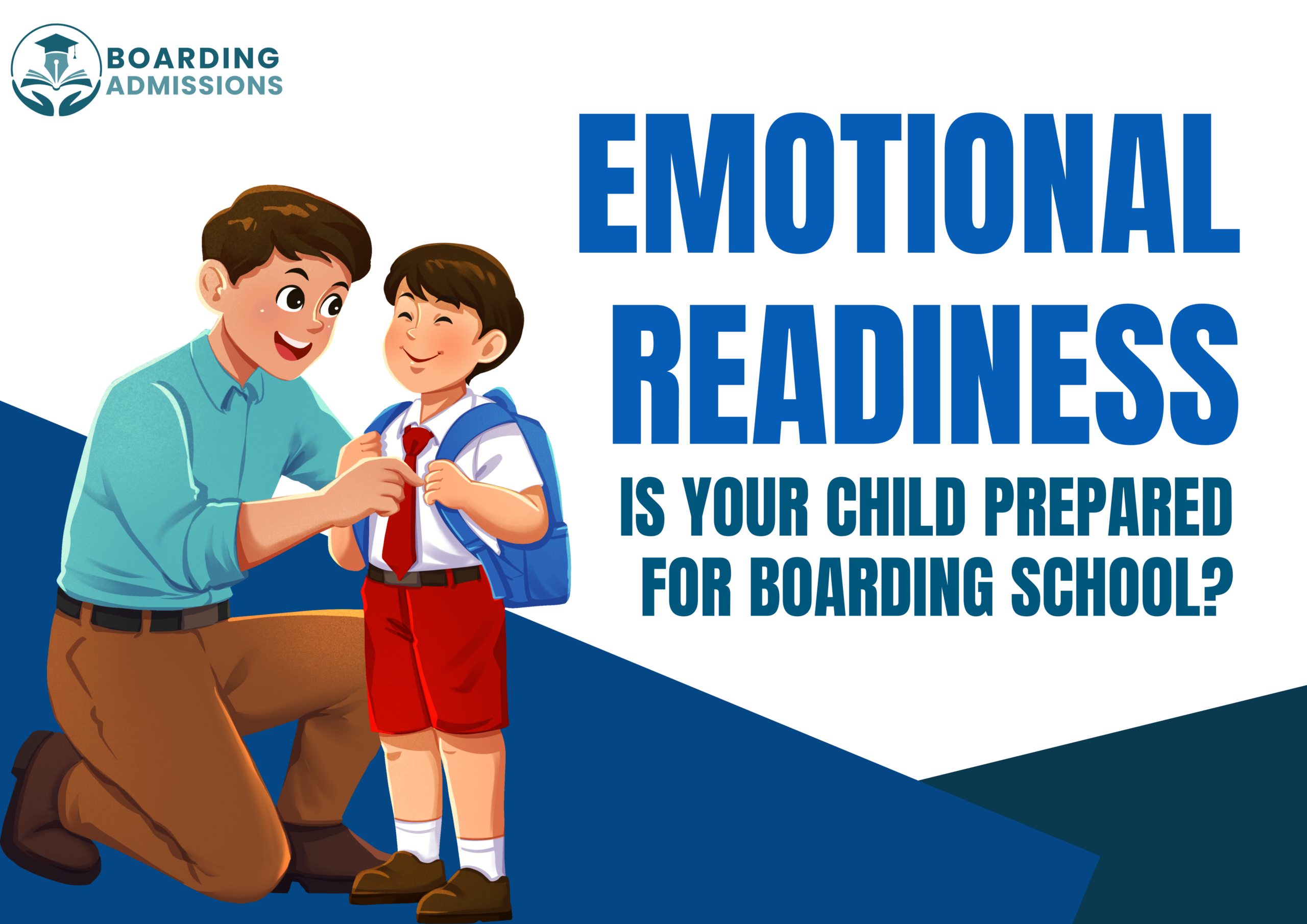
Sending a child to a boarding school is a big step for any family. While academic preparation often gets the most attention, a child’s emotional state plays an equally important role. Adjusting to a new environment, living away from home, and building new relationships all require a certain level of maturity.
This is where Emotional Readiness becomes crucial. It reflects a child’s ability to manage feelings, adapt to change, and develop independence in a structured setting. Without this foundation, even academically strong students may struggle to settle into residential life.
This blog explores how to understand emotional preparedness, the different aspects involved, key theories behind it, and how parents can support their child through the transition.
What Does Emotional Readiness Mean?

At its core, Emotional Readiness refers to a child’s ability to handle separation from family, manage daily routines independently, and cope with challenges in a balanced way.
It includes several important elements:
-
Self-regulation: Managing emotions like anxiety, homesickness, or frustration
-
Social confidence: Building friendships and communicating with peers
-
Independence: Handling personal responsibilities without constant supervision
-
Resilience: Recovering from setbacks and adapting to change
A child who develops these traits is more likely to feel comfortable and confident in a boarding environment.
Why Emotional Readiness Matters in Boarding School

Boarding schools offer structured routines, shared living spaces, and a disciplined lifestyle. While these features are beneficial, they also demand emotional strength.
Smooth Transition to a New Environment
Children who are emotionally prepared adapt faster to new surroundings, reducing stress during the initial phase.
Better Academic Focus
When emotional concerns are managed well, students can concentrate better on studies and activities.
Healthy Social Relationships
Emotionally stable students tend to build stronger friendships and communicate more effectively.
Long-Term Personal Growth
Developing independence at an early age contributes to confidence and self-awareness in the long run.
These factors highlight why emotional preparation is just as important as academic readiness.
Types of Emotional Readiness in Children
Emotional development is not one-dimensional. It involves different areas that together shape how a child responds to boarding school life.
| Type | Description |
|---|---|
| Personal Readiness | Ability to manage daily routines and self-care |
| Social Readiness | Comfort in interacting and forming friendships |
| Academic Readiness | Emotional stability to handle academic pressure |
| Behavioral Readiness | Following rules and adapting to structured environments |
Each type contributes to a child’s overall adjustment and well-being.
Key Theories Behind Emotional Development

Understanding a few psychological perspectives can help parents better assess their child’s readiness.
Attachment Theory
This theory suggests that children with secure emotional bonds at home tend to adapt better when they move to new environments. A strong foundation makes separation less stressful.
Social Learning Theory
Children learn behavior by observing others. Exposure to positive role models helps them develop appropriate emotional responses.
Cognitive Development Theory
As children grow, they become better at understanding and managing their emotions. Age and maturity play a significant role in readiness.
Resilience Theory
Resilience focuses on a child’s ability to bounce back from challenges. Boarding school life often requires this trait for long-term success.
These theories provide a deeper understanding of how emotional strength develops over time.
Signs Your Child May Be Emotionally Ready

Every child is different, but certain signs can indicate preparedness for boarding school life.
-
Shows confidence in handling small responsibilities
-
Is comfortable spending time away from parents
-
Communicates feelings openly
-
Adapts well to new situations
-
Demonstrates problem-solving skills
Children who display these qualities are more likely to adjust smoothly.
Challenges Children May Face Without Emotional Readiness

Lack of preparation can lead to difficulties, especially during the initial months.
Homesickness and Anxiety
Being away from family can trigger emotional distress if the child is not ready.
Difficulty in Social Adjustment
Struggles in making friends may lead to feelings of isolation.
Reduced Academic Focus
Emotional discomfort can affect concentration and performance.
Behavioral Issues
Some children may react through withdrawal or resistance to rules.
Recognizing these challenges early allows parents and schools to provide the right support.
Benefits of Developing Emotional Readiness

When children are emotionally prepared, the boarding experience becomes more positive and rewarding.
Stronger Independence
Students learn to manage their time, responsibilities, and personal needs effectively.
Improved Confidence
Handling new situations builds self-belief and decision-making skills.
Better Adaptability
Emotionally prepared children adjust more easily to different environments and challenges.
Balanced Growth
They develop not just academically but also socially and emotionally.
These benefits extend far beyond school years into adult life.
How Parents Can Help Build Emotional Readiness

Preparation does not happen overnight. It requires gradual effort and consistent support.
Encourage Independence at Home
Allow children to take responsibility for small daily tasks such as organizing their belongings or managing their schedule.
Promote Open Communication
Create a safe space where children feel comfortable expressing their thoughts and concerns.
Gradual Exposure to Separation
Short trips, camps, or stays away from home can help children get used to being independent.
Teach Coping Skills
Help children understand how to manage stress, handle disappointment, and stay positive.
Choose the Right School Environment
Selecting a school that matches the child’s personality and needs makes a significant difference in adjustment.
Parents exploring options in boarding admission often find that emotional preparation plays a key role in successful transitions.
Balancing Emotional and Academic Preparation
While academic readiness is important, focusing only on studies can overlook a critical part of development. A balanced approach ensures that children are prepared both intellectually and emotionally.
Parents should aim to:
-
Support learning without creating excessive pressure
-
Encourage hobbies and social interaction
-
Build routines that promote independence
-
Discuss expectations about boarding life openly
This balance creates a strong foundation for overall success.
Conclusion
Boarding school can be a life-changing experience, offering opportunities for growth, independence, and learning. However, the journey becomes meaningful only when a child is emotionally prepared to embrace it.
Understanding Emotional Readiness helps parents make informed decisions and support their child effectively. By focusing on emotional development alongside academics, families can ensure a smoother transition and a more positive boarding experience.
With the right preparation, children not only adjust to residential life but also thrive in it, building skills that last a lifetime.
FREQUENTLY ASKED QUESTIONS
Q1. How do I know if my child is emotionally ready for boarding school?
Ans: Look for signs like independence, adaptability, open communication, and comfort with short separations from family.
Q2. At what age should emotional readiness be considered for boarding school?
Ans: It varies for each child, but most families begin assessing readiness during late primary or early middle school years.
Q3. Can emotional readiness be developed over time?
Ans: Yes, with gradual exposure, guidance, and support, children can build the skills needed for independence.
Q4. What if my child feels homesick after joining boarding school?
Ans: Homesickness is common. Regular communication and support from parents and school staff can help ease the transition.
Q5. Is emotional readiness more important than academic performance?
Ans: Both are important, but emotional preparedness plays a key role in helping students adjust and succeed in a boarding environment.