



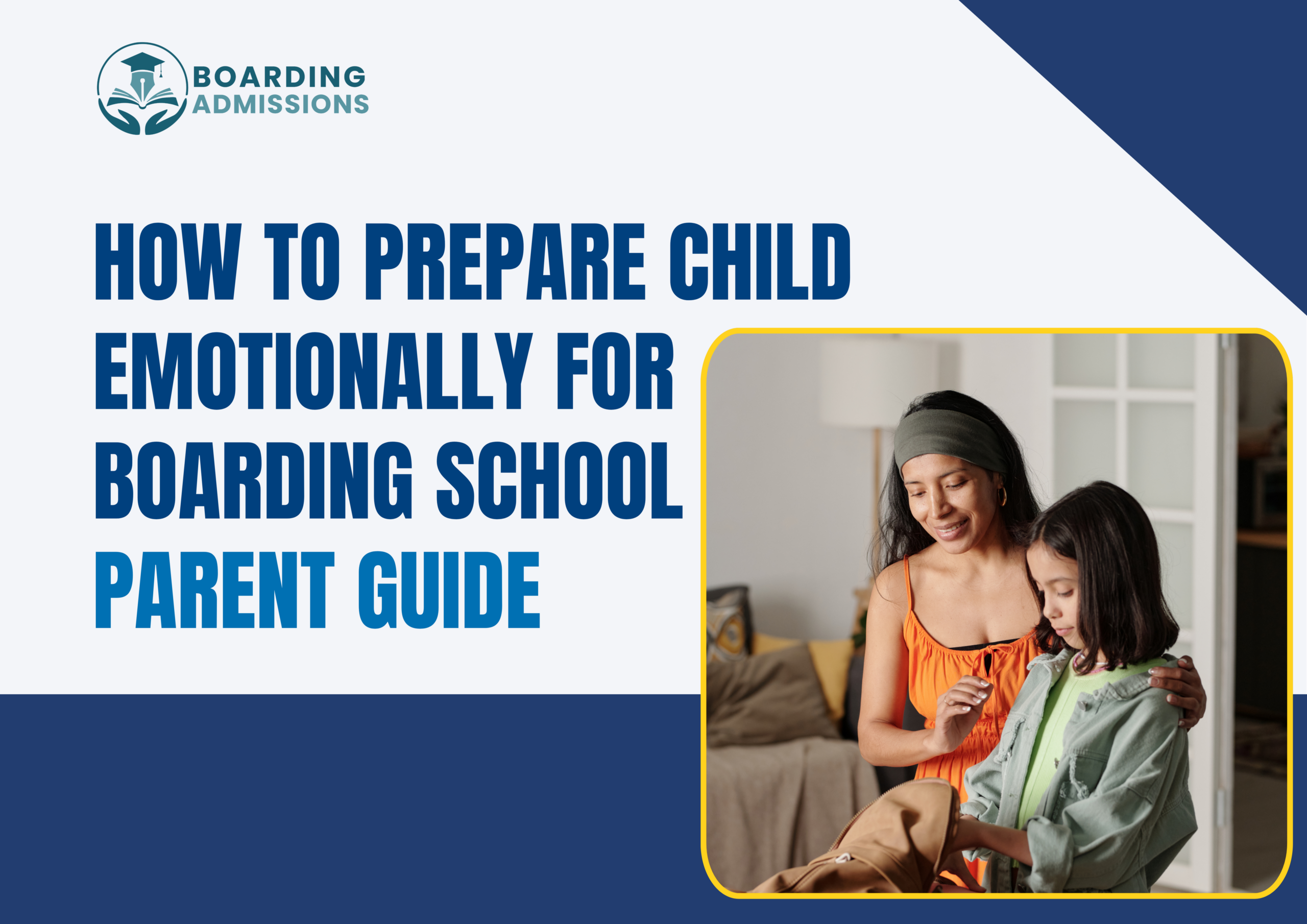
Sending a child to boarding school is not just prepare child emotionally for an academic decision take guidance from Boarding admission— it is an emotional transition for the entire family. Many parents focus on entrance exams, interviews, and school selection but overlook a crucial factor:
👉 Is my child emotionally ready?
Understanding how to prepare a child emotionally for boarding school can make the difference between a stressful start and a confident transition.
This guide walks you through practical, psychological, and behavioural preparation steps that parents can start months in advance.
Table of Contents
ToggleWhy Emotional Preparation Matters More Than Academic Preparation

Children who are emotionally prepared:
-
Adjust faster to hostel life
-
Feel less homesick
-
Build friendships quickly
-
Develop independence with confidence
-
Perform better academically
Children who are not emotionally prepared often struggle with anxiety, withdrawal, or resistance during the first term.
Emotional Transition Timeline (Ideal Preparation Plan)
| Time Before Joining | What Parents Should Do | Emotional Goal |
|---|---|---|
| 6–8 months before | Start conversations about boarding life | Build curiosity, remove fear |
| 4–6 months before | Encourage small independence habits | Reduce dependency |
| 3 months before | Sleepovers, camps, staying away from home | Practice separation |
| 1–2 months before | Visit campus, meet staff | Familiarity reduces anxiety |
| Final weeks | Positive framing, routine setting | Confidence and acceptance |
Step 1: Start Open Conversations Early
Do not “announce” boarding school suddenly.
Instead:
-
Discuss why boarding schools are exciting
-
Share stories of successful alumni
-
Talk about sports, activities, friends — not just studies
This changes the narrative from “leaving home” to “starting a new adventure.”
Step 2: Build Independence in Daily Life

If a child cannot manage basic routines, hostel life becomes overwhelming.
Encourage your child to:
-
Pack their school bag
-
Organize their cupboard
-
Wake up with an alarm
-
Manage homework without reminders
These small habits build emotional confidence.
Step 3: Practice Staying Away From Home
Before boarding:
-
Send them for short camps
-
Allow sleepovers at relatives’ homes
-
Reduce constant parental presence
This simulates hostel life in a safe way.
Emotional Readiness Indicators Prepare Child Emotionally
| Sign | Emotionally Ready | Needs Preparation |
|---|---|---|
| Comfort staying away | Enjoys sleepovers | Avoids staying out |
| Social behaviour | Makes friends easily | Socially withdrawn |
| Handling problems | Tries to solve independently | Runs to parents immediately |
| Routine habits | Self-managed | Parent-dependent |
| Reaction to new places | Curious | Anxious |
If most signs fall in the right column, start emotional prep immediately.
Step 4: Teach Emotional Expression
Children must know how to express:
-
Homesickness
-
Fear
-
Confusion
-
Loneliness
Tell them:
“It’s okay to miss home. You can talk to your housemaster, teacher, or counsellor.”
This reduces bottled emotions later.
Step 5: Familiarize Them With Boarding Environment

Visit the campus if possible. Show them:
-
Dorm rooms
-
Dining hall
-
Sports facilities
-
Counsellor’s office
The unknown becomes known — and fear reduces drastically.
Step 6: Avoid Emotional Dependency Before Departure
Many parents unknowingly increase attachment just before sending the child.
Avoid:
-
Saying “We will miss you too much”
-
Over-pampering
-
Showing guilt
Instead say:
“You are ready for this. We are proud of you.”
What Children Fear Most vs What Actually Happens
| Child’s Fear | Reality in Boarding School |
|---|---|
| I will be alone | Surrounded by roommates and housemates |
| No one will care | House parents & mentors always present |
| I will miss home food | Structured meals and treats |
| I won’t make friends | Shared living creates strong bonds |
| I can’t handle it | Routine makes life easier |
Role of Parents After the Child Joins
Emotional preparation does not end at admission.
Parents should:
-
Avoid calling daily in the first weeks
-
Encourage problem-solving before intervening
-
Stay in touch with housemasters/counsellors
-
Be positive during calls
Emotional Benefits Children Gain

When prepared well, boarding school builds:
-
Resilience
-
Confidence
-
Social intelligence
-
Emotional control
-
Independence
These are lifelong skills.
Final Thought
The success of boarding school life depends less on entrance exam scores and more on how well parents prepare the child emotionally for boarding school.
Start early. Build independence. Normalize the experience. Create excitement.
That is the real preparation.
FREQUENTLY ASKED QUESTIONS
Q1. At what age should parents start emotional preparation for boarding school?
Ans: Ideally 6–8 months before joining.
Q2. How do I reduce my child’s fear of staying away from home?
Ans: Through sleepovers, camps, and positive conversations.
Q3. What if my child feels homesick after joining?
Ans: This is normal. Schools have mentors and counsellors to support.
Q4. Should parents call daily after admission?
Ans: No, Limited, positive communication helps faster adjustment.
Q5. Can emotionally shy children adjust to boarding school?
Ans: Yes, with gradual preparation and independence training.
Q6. Is campus visit important before joining?
Ans: Very, Familiarity reduces anxiety significantly.