
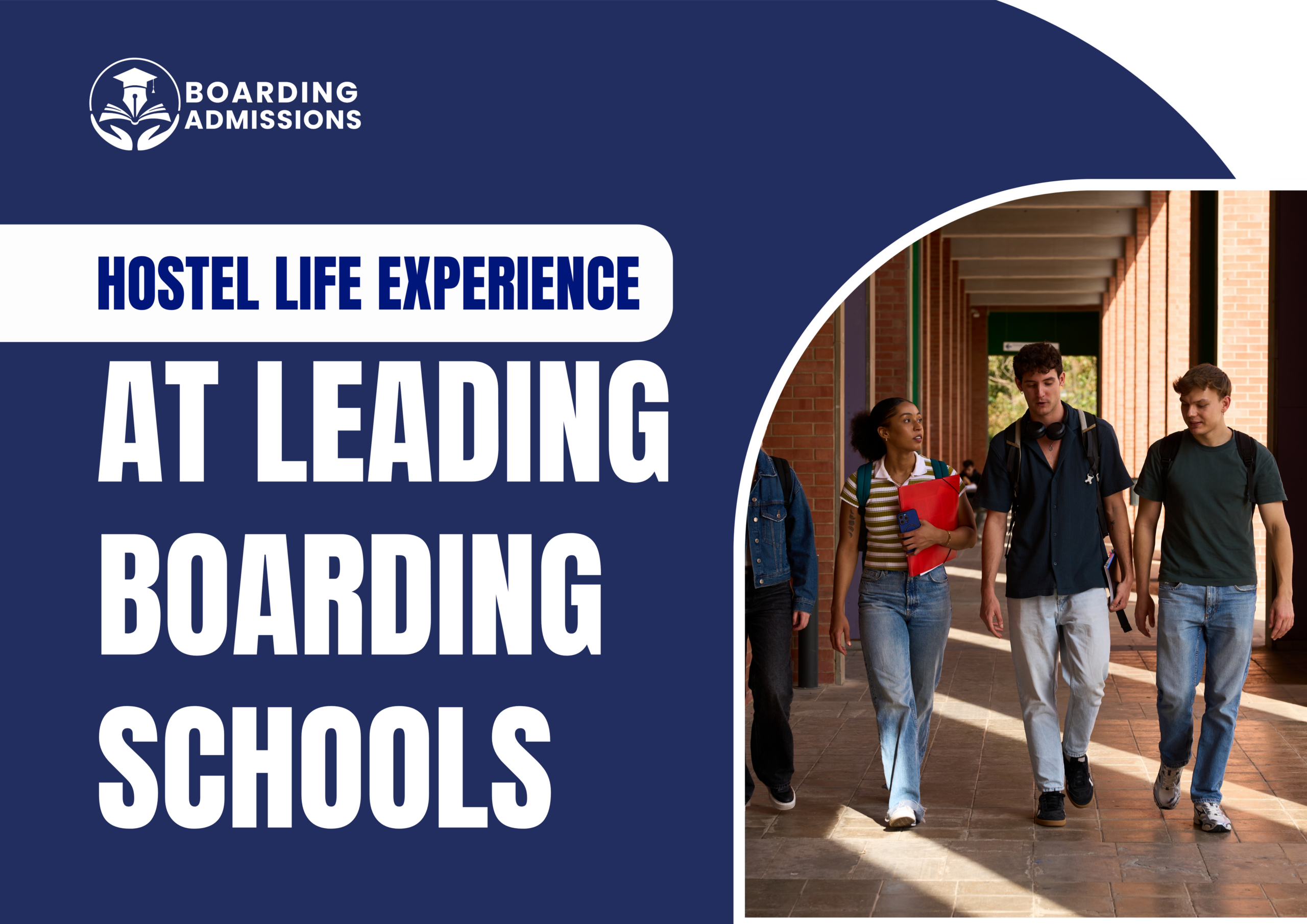
For many parents, the biggest curiosity about residential education is not academics — it is the hostel life experience at leading boarding schools. What really happens after the school bell rings? How do children live, adjust, grow, and become independent away from home?
Understanding the hostel life experience at leading boarding schools like The Doon School, Welham Girls, Mayo College, Scindia, Bishop Cotton, and Sherwood helps parents see why these institutions shape personality far beyond textbooks.
A Day in Hostel Life: Structured Yet Balanced

Hostel life follows a disciplined routine that students gradually adopt as a habit.
A typical day includes:
-
Early wake-up and physical activity
-
Academic classes
-
Sports and activity periods
-
Evening prep (supervised study)
-
House bonding time
-
Fixed bedtime
This structure defines the hostel life experience at leading boarding schools.
Learning Independence From Day One
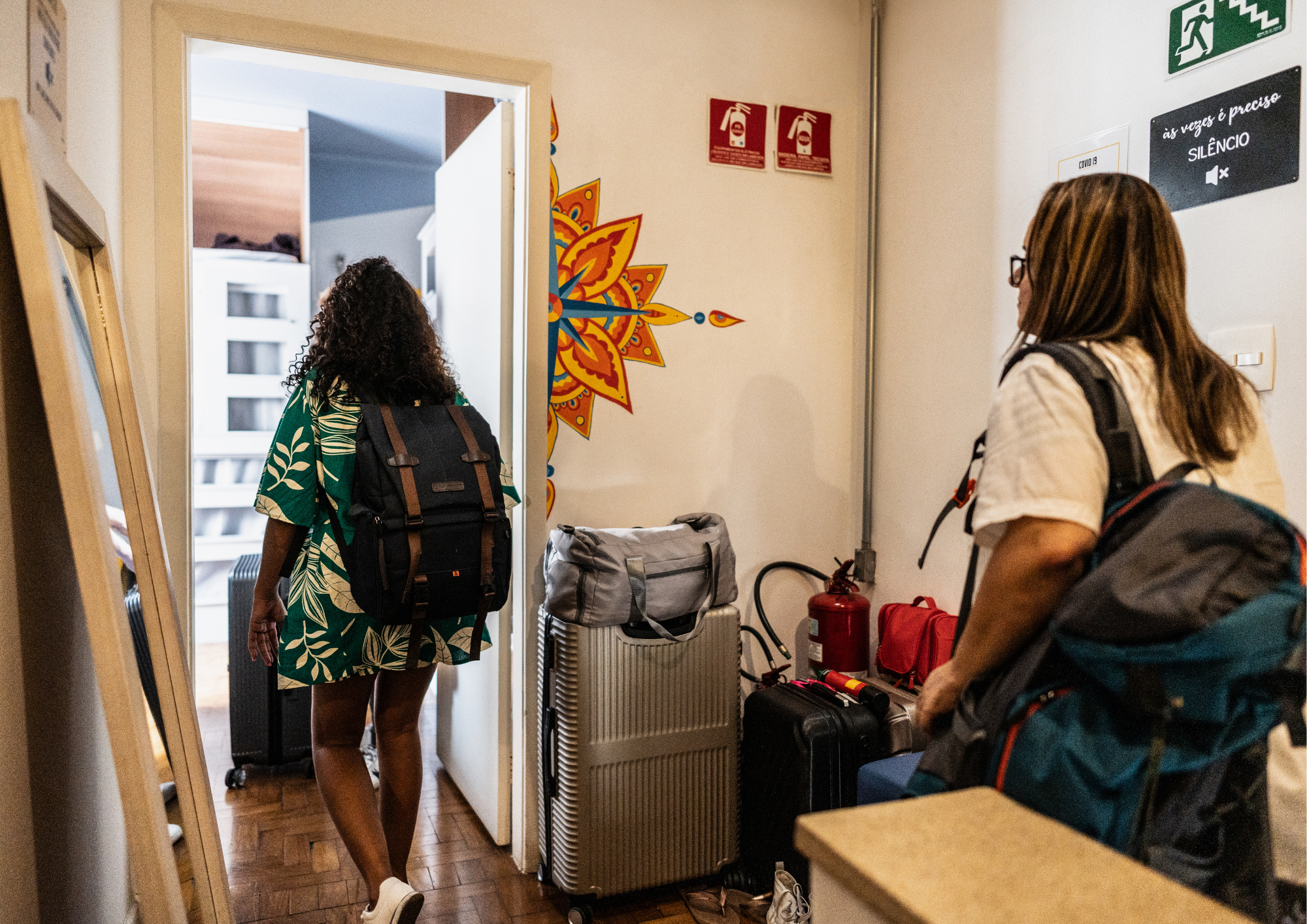
Students manage:
-
Their belongings
-
Uniforms and hygiene
-
Time schedules
-
Study responsibilities
Without parents reminding them, children learn self-management naturally.
Building Lifelong Friendships
Living together creates deep bonds. Roommates become like family. Students learn:
-
Sharing space
-
Respecting differences
-
Teamwork and cooperation
These friendships are a memorable part of the hostel life experience at leading boarding schools.
Discipline Becomes a Lifestyle

Rules are not imposed harshly. Instead, routine, peer culture, and house systems make discipline a way of life.
Students begin to follow time, respect schedules, and value order.
Emotional Growth and Maturity
Being away from home teaches students to:
-
Handle emotions independently
-
Solve small problems on their own
-
Adapt to new situations
This emotional maturity is a key outcome of the hostel life experience at leading boarding schools.
Role of Housemasters and Wardens
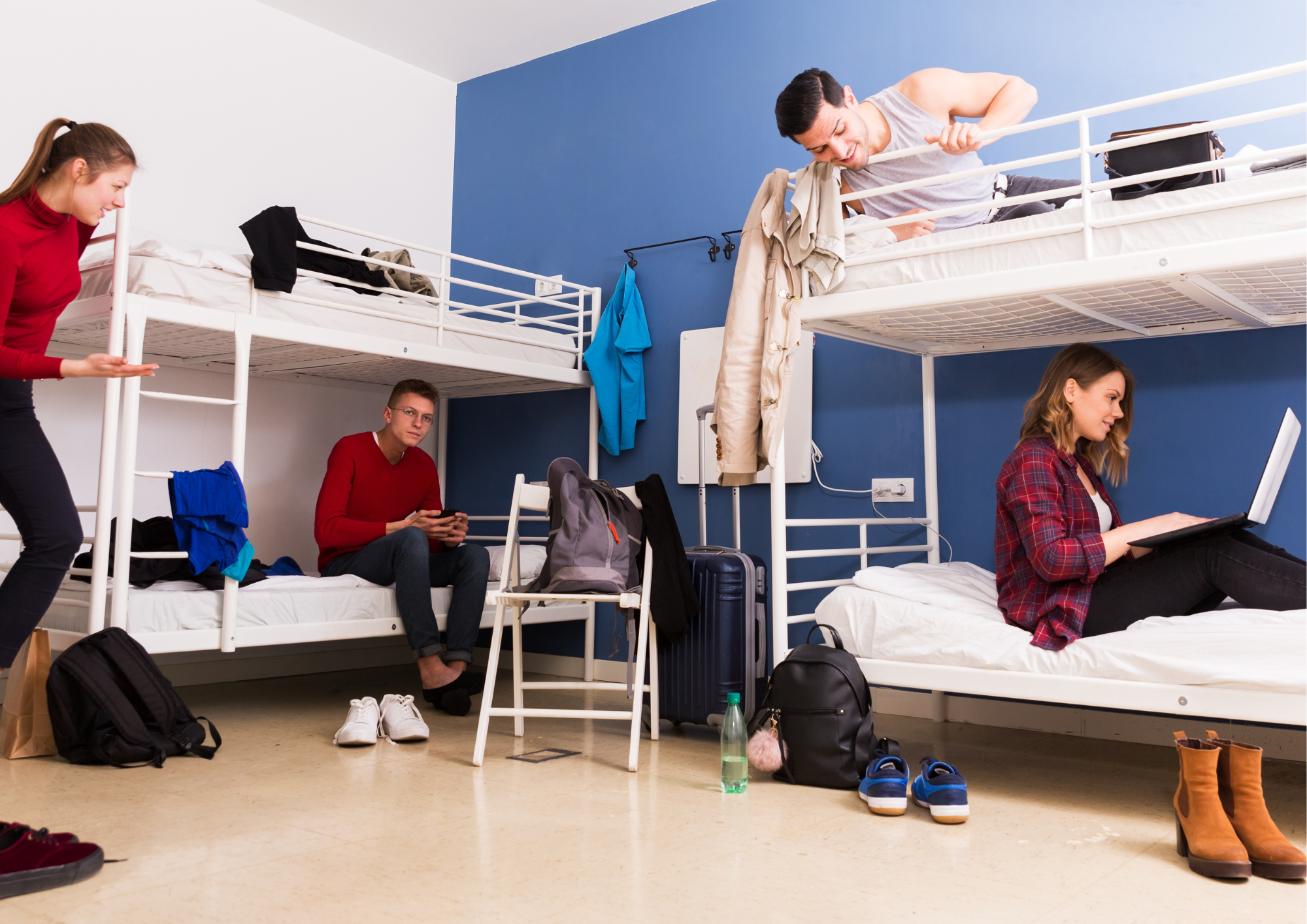
Every hostel has dedicated staff who:
-
Monitor student well-being
-
Guide them academically and personally
-
Act as guardians away from home
Parents can be assured that children are always supported.
Balanced Focus on Studies and Activities
After classes, students participate in:
Sports
Music and arts
Debates and clubs
Hobby sessions
This balance prevents academic stress and keeps students active.
Learning Respect and Community Living
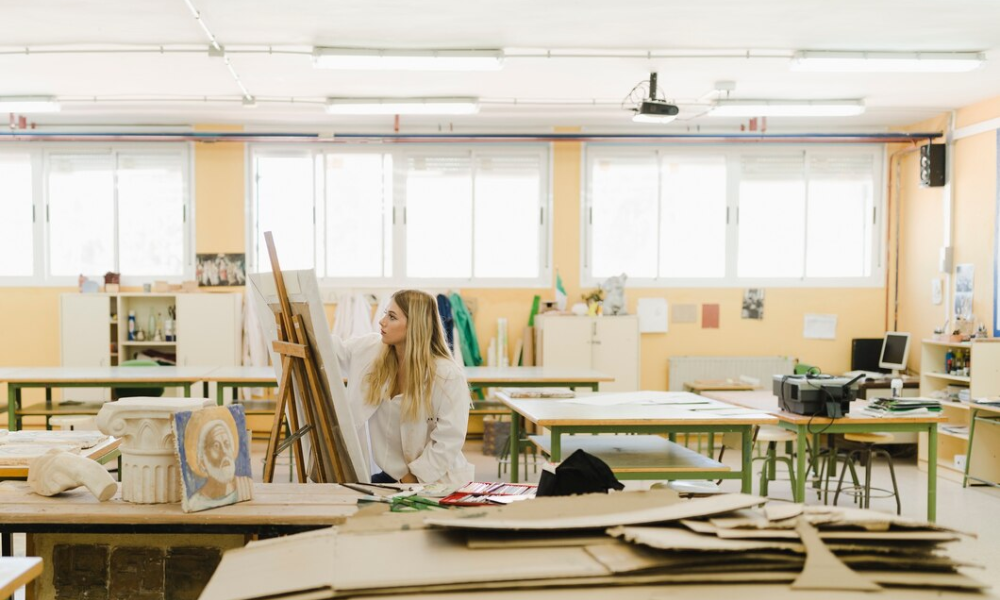
Students from different cities, cultures, and backgrounds live together. They learn:
-
Inclusiveness
-
Patience
-
Respect for diversity
These values stay with them for life.
Technology Discipline and Healthy Habits
Limited gadget access ensures:
Better sleep cycles
More physical activity
Real social interaction
This healthy lifestyle is part of the hostel life experience at leading boarding schools.
Preparation for Real Life
Hostel life prepares students for:
-
College life
-
Career responsibilities
-
Living independently in the future
Parents often notice a visible transformation after just one year.
What Students Miss Initially — and Gain Later
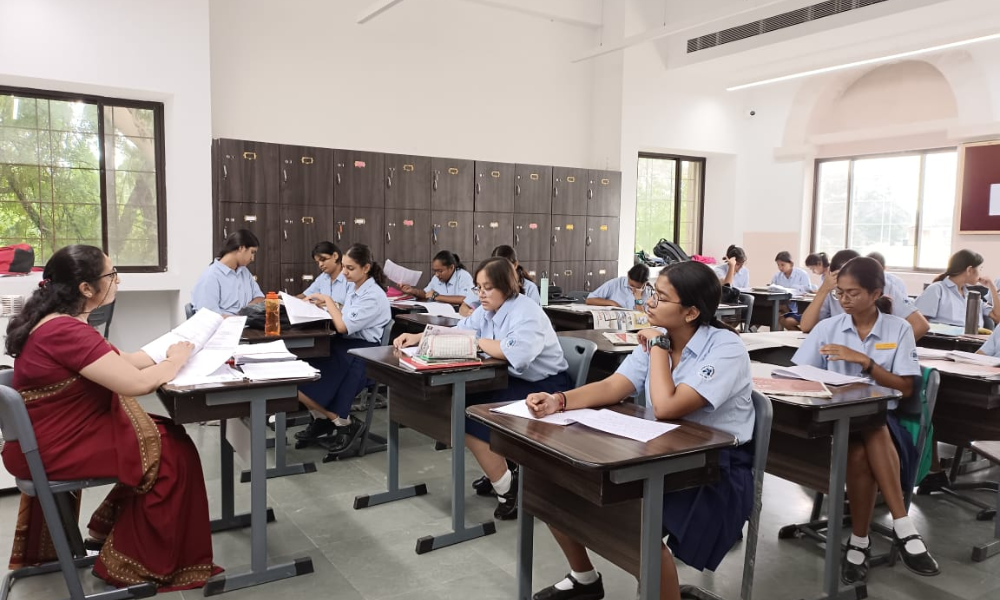
In the beginning, students may miss home comforts. But soon, they gain:
-
Confidence
-
Strong friendships
-
Independence
-
Responsibility
This transformation defines the real hostel life experience at leading boarding schools.
Why Parents Value Hostel Life
Parents who choose boarding schools often say the biggest change they see is not in marks, but in:
Behaviour
Confidence
Time management
Maturity
Final Thoughts
The hostel life experience at leading boarding schools is where real learning happens. Beyond academics, students learn discipline, independence, emotional strength, and social skills that shape their future.
For parents, understanding this experience removes fear and builds trust in residential education.
FREQUENTLY ASKED QUESTIONS
Q1. Is hostel life difficult for new students?
Ans: Initially yes, but students adjust quickly with support from staff and friends.
Q2. How are students cared for in hostels?
Ans: Housemasters, wardens, and staff monitor students round the clock.
Q3. Do students get time for activities in hostel life?
Ans: Yes, Sports, hobbies, and recreation are part of the routine.
Q4. Does hostel life make children independent?
Ans: Yes, Students learn to manage daily tasks on their own.
Q5. Are gadgets allowed in hostels?
Ans: Usage is limited to encourage healthy habits.
Q6. How does hostel life help in the long term?
Ans: It builds confidence, discipline, and life skills useful for college and career.